



论中国古代地缘战略制定中的“权衡”——以《盐铁论》为例
|
王丰龙(1988-),男,内蒙古赤峰人,博士,副教授,主要从事政治地理学、幸福地理学等研究。E-mail:flwang@iud.ecnu.edu.cn;wfldragon@163.com |
收稿日期: 2018-08-20
要求修回日期: 2018-12-10
网络出版日期: 2019-12-02
基金资助
国家自然科学基金项目(41571130)
国家自然科学基金项目(41271165)
国家自然科学基金项目(41601144)
国家自然科学基金项目(41701149)
版权
‘Weighing’in Making Geopolitical Strategy in Ancient China: Case of the ‘Salt and Iron’
Received date: 2018-08-20
Request revised date: 2018-12-10
Online published: 2019-12-02
Supported by
National Natural Science Foundation of China(41571130)
National Natural Science Foundation of China(41271165)
National Natural Science Foundation of China(41601144)
National Natural Science Foundation of China(41701149)
Copyright
王丰龙 , 刘云刚 . 论中国古代地缘战略制定中的“权衡”——以《盐铁论》为例[J]. 地理科学, 2019 , 39(9) : 1407 -1415 . DOI: 10.13249/j.cnki.sgs.2019.09.006
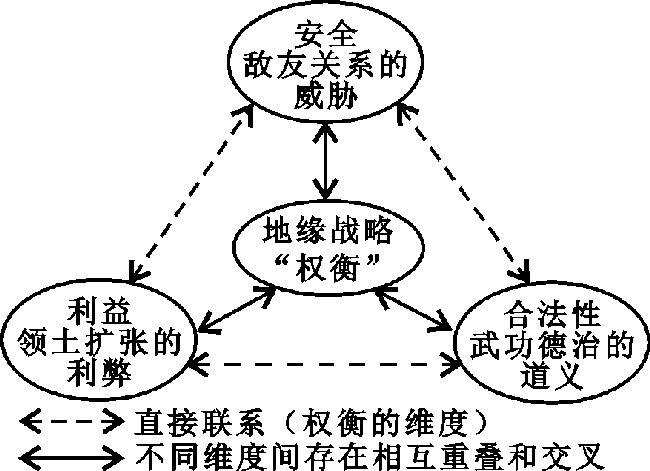
Chinese political geography has been characterized with a duality of exogenous and endogenous studies, the former mainly adopts external (esp. imported from western academia.) concepts, theories and paradigms to interpret Chinese political geographical issues yet the latter mainly uses local and practical perspectives to analyze political geographical patterns and make strategies. The exogenous research generally takes a dominant part in Chinese political geography. This has led to several problems such as the disembeddedness between Chinese practices and foreign theories, ignorance of topics important in Chinese context yet not covered by western theories, and lack of original knowledge contribution. Therefore, it is necessary to enhance the endogenous studies based on internal practices and terms. We argue that a theoretical inspection of political geographical thoughts should be a possible way to this direction. Based on our previous study (Liu and Wang, 2017), which mainly aims to provide a brief picture of ancient Chinese political geographical thoughts, we try to further discuss the specific topics (in this paper geopolitics) in detail based on certain ancient works (in this paper the Salt and Iron). In this line, we first propose a triple framework of weighing in making geopolitical strategies and then apply this framework to interpret the geopolitical debates in the Salt and Iron, which is a record of a famous debate on whether continuing the war on the Huns and whether maintaining the state-monopoly of sales of salt and iron in the Han Dynasty. It is shown that the two sides of the debate mainly weigh the pros and cons within the three dimensions of our triple framework: the security threats of the Huns, the cost and benefit of territorial expansion, and the legitimacy of different geopolitical strategies. We further compare the difference in ways of thinking, methods of analysis and aims of strategy-making between Chinese (ancient) and western (contemporary) geopolitical theories and summarize some special characteristics of Chinese geopolitical thoughts and theories. This paper also discusses three values and implications of the concept of "weighing" for both academic research and policy-making of Chinese geopolitics. First, weighing along with different dimensions in making geopolitical strategies and integrating multiple logics of territorial, economic and representation power is helpful to go beyond the dogma and traps of classic geopolitical theories and develop a more scientific Chinese geopolitics. Second, weighing gains and costs in different dimensions avails us to adopt cautious and rational view in geopolitical studies and avoid dangerous, extreme and risky tendency in making geopolitical strategies, and thus contribute to a more peaceful Chinese geopolitics. Third, weighing the issues and aims at both domestic and international scales is in favor of comprehensively examining the local and global processes and combining exogenous and endogenous studies, which may promote a more integrative Chinese geopolitics.
Key words: geopolitical strategy; Salt and Iron; weighing; political geography; geopolitics
表1 《盐铁论》中对地缘战略制定中安全维度的“权衡”Table 1 Weighing on safety in making geopolitical strategy in the ‘Salt and Iron’ |
| 具体方面 | 桑弘羊的观点 | 贤良文学的观点 |
|---|---|---|
| 匈奴的可信性 | 匈奴背叛不臣,数为寇暴于边鄙(p4),今匈奴挟不信之心,怀不测之诈,见利如前,乘便而起,潜进市侧,以袭无备。是犹措重宝于道路而莫之守也。求其不亡,何可得乎(p453)?匈奴数和亲,而常先犯约,贪侵盗驱,长诈之国也。反复无信,百约百叛(p459) | 加之以德,施之以惠,北夷必内向(p124)。往者,匈奴结和亲,诸夷纳贡,即君臣外内相信,无胡、越之患(p419) |
| (不)打击匈奴的风险 | 一日违敌,累世为患(p414),今四夷内侵,不攘,万世必有长患(p423),夫汉之有匈奴,譬若木之有蠹,如人有疾,不治则浸以深(p447) | 今匈奴牧于无穷之泽,东西南北,不可穷极,虽轻车利马,不能得也,况负重嬴兵以求之乎?其势不相及也。茫茫乎若行九皋未知所止,皓皓乎若无网罗而渔江、海,虽及之,三军罢弊,适遗之饵也(p441) |
| 内外安全的重要性 | 圣王怀四方独苦,兴师推却胡、越,远寇安灾,散中国肥饶之余,以调边境,边境强,则中国安,中国安则晏然无事(p161)。中国与边境,犹支体与腹心也。夫肌肤寒于外,腹心疾于内,内外之相劳,非相为赐也(p430)!今三垂已平,唯北边未定。夫一举则匈奴震惧,中外释备,而何寡也( p385)?今不征伐,则暴害不息;不备,则是以黎民委敌也(p388) | 秦所以亡者,以外备胡、越而内亡其政也。夫用军于外,政败于内,备为所患,增主所忧(p384)。忘其故秦,筑长城以守胡,而亡其所守(p432) |
表2 《盐铁论》中对地缘战略制定中利益维度的“权衡”Table 2 Weighing on profit in making geopolitical strategy in the ‘Salt and Iron’ |
| 具体方面 | 桑弘羊的观点 | 贤良文学的观点 |
|---|---|---|
| 领土的价值:地利的重要性 | 古者,为国必察土地、山陵阻险、天时地利,然后可以王霸。故制地城郭,饬沟垒,以御寇固国(p472)。关梁者,邦国之固,而山川者,社稷之宝也(p475) | 罢关梁,除障塞,以仁义导之,则北垂无寇虏之忧,中国无干戈之事矣(p449)。地利不如人和,武力不如文德。周之致远,不以地利,以人和也。百世不夺,非以险,以德也…非地利不固,无术以守之也(p474)。秦左殽、函,右陇阺,前蜀、汉,后山、河,四塞以为固,金城千里,良将勇士…故在德不在固(p471) |
| 领土的价值:匈奴边郡的资源 | 内郡人众,水泉荐草不能相赡;地势湿湿,不宜牛马…孝武皇帝平百越以为园圃,却羌、胡以为苑囿,是以珍怪异物,充于后宫,騊駼駃騠,实于外厩,匹夫莫不乘坚良,而民间厌橘柚。由此观之:边郡之利亦饶矣(p147)!省曲塞,据河险,守要害,以宽徭役,保士民。由此观之:圣主用心,非务广地以劳众而已矣(p164) | 今去而侵边,多斥不毛寒苦之地,是犹弃江皋河滨,而田于岭阪菹泽也(p144)。立郡县寇虏之地,地弥远而民滋劳(p165),禹平水土,定九州…不待蛮、貊之地,远方之物而用足……方今郡国,田野有陇而不垦,城郭有宇而不实,边郡何饶之有乎?(p148) |
| 领土扩张的(机会)成本 | 终日逐禽,罢而释之,则非计也(p410) | 国家衰耗,城郭空虚(p139)。师旅数发…六畜不育于家,五谷不殖于野,民不足于糟糠(p148),若不恤人之急,不计其难,弊所恃以穷无用之地,亡十获一(p416),夫万里而攻人之国,兵未战而物故过半(p445) |
| 领土扩张的长期收益 | 故手足之勤,腹肠之养也。当世之务,后世之利也(p423),初虽劳苦,卒获其庆(p430) | 夫文犹可长用,而武难久行也(p465)。苦师劳众,以略无用之地,立郡沙石之间,民不能自守(p419) |
表3 《盐铁论》中对地缘战略制定中合法性维度的“权衡”Table 3 Weighing on legitimacy in making geopolitical strategy in the ‘Salt and Iron’ |
| 具体方面 | 桑弘羊的观点 | 贤良文学的观点 |
|---|---|---|
| 国际上的服从:等级关系 | 鄙语曰:‘贤者容不辱。’以世俗言之,乡曲有桀,人尚辟之。今明天子在上,匈奴公为寇,侵扰边境,是仁义犯而藜藿采(p381),今有帝名,而威不信于长城之外,反赂遗而尚踞敖,此五帝所不忍,三王所毕怒也(p420) | 好事之臣,求其义,责之礼,使中国干戈至今未息(p382),以大御小者王,以强凌弱者亡。圣人不困其众以兼国,良御不困其马以兼道(p421) |
| 国际上的服从:完成手段 | 故君子笃仁以行,然必筑城以自守,设械以自备,为不仁者之害己也(p455),故有备则制人,无备则制于人(p469)。内无备,不可以御敌…故有文事,必有武备(p450),非服其德,畏其威也。力多则人朝,力寡则朝于人矣(p427),君子为国,必有不可犯之难(p475) | 诚信着乎天下,醇德流乎四海,则近者哥讴而乐之,远者执禽而朝之。故正近者不以威,来远者不以武(p454),务以德安近而绥远(p386),周谨小而得大,秦欲大而亡小(p425),兵强而凌敌者身亡(p415) |
| 国内的支持:增进百姓福祉 | 今四夷内侵,不攘,万世必有长患…故圣主斥地,非私其利,用兵,非徒奋怒也,所以匡难辟害,以为黎民远虑(p423) | 夫治国之道,由中及外…百姓内足,然后恤外(p163),地广而不德者国危(p415)。古之用师,非贪壤土之利,救民之患也(p436) |
| [1] |
刘云刚, 许学强 . 中国地理学的二元结构[J]. 地理科学, 2008,28(5):587-593 .
[
|
| [2] |
科林·弗林特, 皮特·泰勒. 政治地理学:世界-经济、民族-国家与地方[M]. 刘云刚,译.北京: 商务印书馆, 2016: 1-370.
[
|
| [3] |
王恩涌, 王正毅, 楼耀亮 , 等. 政治地理学:时空中的政治格局[M]. 北京: 高等教育出版社, 1998: 1-436.
[
|
| [4] |
刘云刚 . 中国政治地理学研究展望[J]. 人文地理, 2009,24(2):12-16 .
[
|
| [5] |
刘云刚, 王丰龙 . 尺度的人文地理内涵与尺度政治——基于1980年代以来英语圈人文地理学的尺度研究[J]. 人文地理, 2011,26(3):1-6 .
[
|
| [6] |
王丰龙, 刘云刚 . 治理术与地理学:研究述评与展望[J]. 人文地理, 2015,30(5):1-8 .
[
|
| [7] |
安宁, 钱俊希, 陈晓亮 , 等. 国际上的政治地理学研究进展与启示——对《Political Geography》杂志2005~2015年载文的分析[J]. 地理学报, 2016,71(2):217-235 .
[
|
| [8] |
刘笑敢 . 反向格义与中国哲学方法论反思[J].哲学研究, 2006(4):34-39 .
[
|
| [9] |
王丰龙, 刘云刚 . 多样 vs. 分裂:论中国人文地理学发展的多元性及其挑战[J]. 地理科学, 2019,39(1):22-30 .
[
|
| [10] |
刘云刚, 王丰龙 . 中国古代政治地理思想探究[J]. 地理科学进展, 2017,36(12):1450-1462 .
[
|
| [11] |
班固 . 汉书[M]. 北京: 中华书局, 2016: 1-4332 .
[
|
| [12] |
晋文 . 西汉盐铁会议若干问题再评议[J].江海学刊, 2010(2):153-160 .
[
|
| [13] |
魏昕 . 《盐铁论》与武宣时期的政治局势[J]. 兰州学刊, 2012(11):67-70 .
[
|
| [14] |
陈拯 . 《盐铁论》对外关系辩论与中国古代外交思想研究[J]. 外交评论(外交学院学报), 2014(4):59-77 .
[
|
| [15] |
梁宗华 . 尚仁义与务权利之争——《盐铁论》的儒学价值观及其学术意义[J]. 东岳论丛, 2015,36(12):48-52 .
[
|
| [16] |
施丁 . 秦汉豪族的呼声──读桓宽《盐铁论》[J]. 学术月刊, 1999(11):97-103 .
[
|
| [17] |
黎小龙, 徐难于 . 两汉边疆思想观的论争与统一多民族国家边疆思想的形成[J]. 中国边疆史地研究, 2006,16(4):9-20 .
[
|
| [18] |
葛汉文 . 心脏地带、帝国威望与意识形态——中国地缘战略传统及其效应[J]. 国际展望, 2017,9(1):1-17 .
[
|
| [19] |
|
| [20] |
|
| [21] |
徐复观 . 两汉思想史(第3卷)[M]. 上海: 华东师范大学出版社, 2001: 73-131.
[
|
| [22] |
|
| [23] |
王国梁 . 中国周边安全环境与地缘战略构想[J]. 世界地理研究, 2003,12(2):99-105 .
[
|
| [24] |
陆俊元 . 美国对华地缘战略与中国和平发展[J]. 人文地理, 2006,21(1):120-122 .
[
|
| [25] |
杜德斌, 马亚华 . “一带一路”:中华民族复兴的地缘大战略[J]. 地理研究, 2015,34(6):1005-1014 .
[
|
| [26] |
胡志丁, 刘卫东 . 论地缘战略的主体间性——兼论中国地缘战略抉择[J]. 人文地理, 2016,31(3):122-127 .
[
|
| [27] |
|
| [28] |
|
| [29] |
|
| [30] |
|
| [31] |
王丰龙, 刘云刚 . 空间的生产研究综述与展望[J]. 人文地理, 2011,26(2):13-19 .
[
|
| [32] |
王丰龙, 刘云刚 . 异端空间的生产——福柯对中国政治地理学研究的启示[J]. 人文地理, 2017,32(2):1-8 .
[
|
| [33] |
王利器 . 盐铁论校注[M]. 北京: 中华书局, 1992 .
[
|
| [34] |
赵善轩, 耿佳佳 . 《盐铁论》导读[M]. 北京: 中信出版社, 2014: 1-442.
[
|
| [35] |
郭沫若 . 《盐铁论》读本[M]. 北京: 科学出版社, 1957 .
[
|
| [36] |
陈桐生 . 盐铁论[M]. 北京: 中华书局, 2015: 1-570 .
[
|
| [37] |
|
| [38] |
葛汉文 . “拒绝衰落”与美国“要塞化”:特朗普的大战略[J]. 国际安全研究, 2018,36(3):82-100 .
[
|
| [39] |
|
| [40] |
刘妙龙, 孔爱莉, 张伟 . 地缘政治历史、现状与中国的地缘战略[J]. 地理研究, 1994,13(3):69-75 .
[
|
| [41] |
|
| [42] |
|
| [43] |
王志军, 张耀文 . 西方地缘战略理论批判与中国地缘战略理论构建[J].学术探索, 2015(2):27-34 .
[
|
| [44] |
安宁, 朱竑 . 后人文主义视角下的中国地缘政治话语研究[J]. 地理科学, 2018,38(6):838-848 .
[
|
| [45] |
|
| [46] |
|
| [47] |
陆大道 . 变化发展中的中国人文与经济地理学[J]. 地理科学, 2017,37(5):641-650 .
[
|
| [48] |
孙峰华, 陆大道, 代合治 , 等. 渤海海峡跨海通道建设与中国的地缘政治战略[J]. 地理科学, 2017,37(1):1-10 .
[
|
| [49] |
|
| [50] |
僧海霞 . 历史时期中原与西域的界标及其意象变迁研究[J]. 地理科学, 2017,37(8):1170-1177 .
[
|
/
| 〈 |
|
〉 |