



青藏高原阿里地区不同物种粪便中甾醇分布特征及指示意义
|
李秀美(1988—),女,山东济南人,副教授,博士,主要从事气候变化及人类活动重建研究。E-mail: lixm@xynu.edu.cn |
收稿日期: 2023-07-04
修回日期: 2023-11-16
网络出版日期: 2024-08-12
基金资助
国家自然科学基金项目(41901105)
河南省自然科学基金项目(242300421371)
河南省高等学校青年骨干教师培养计划项目(2023GGJS096)
河南省本科高校研究性教学改革研究与实践项目(2022SYJXLX062)
信阳师范学院“南湖学者奖励计划”青年项目资助
版权
Distribution characteristics and indicative significance of fecal sterols in different species in Nagri Prefecture of Qinghai-Xizang Plateau
Received date: 2023-07-04
Revised date: 2023-11-16
Online published: 2024-08-12
Supported by
National Natural Science Foundation of China(41901105)
Natural Science Foundation of Henan(242300421371)
Training Plan of Young Backbone Teachers in Henan Colleges and Universities(2023GGJS096)
Research and Practice Project of Teaching Reform in Universities of Henan Province(2022SYJXLX062)
Nanhu Scholars Program for Young Scholars of Xinyang Normal University
Copyright
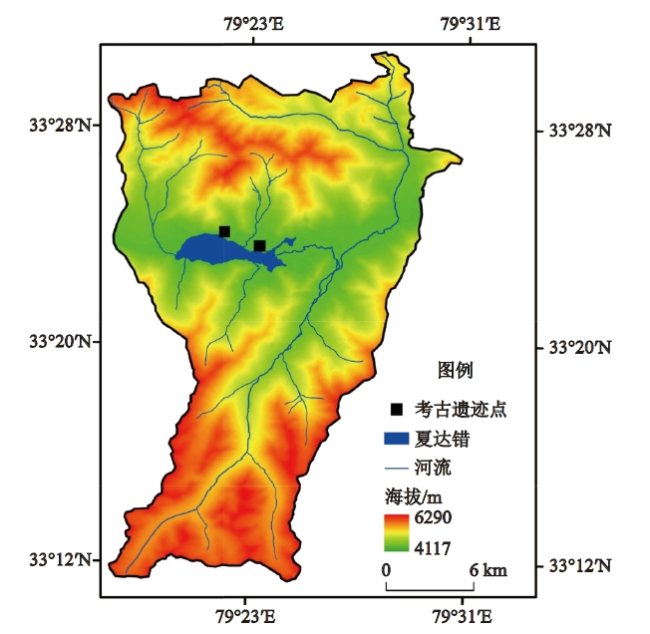
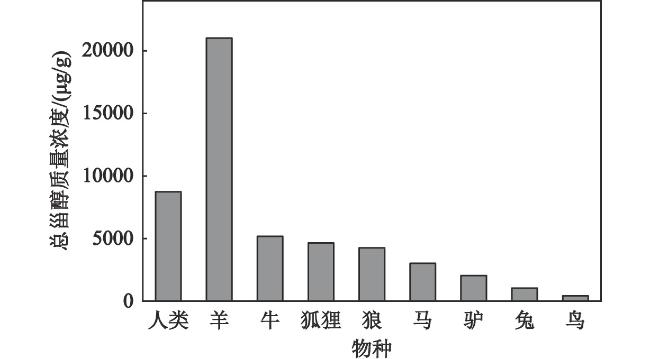
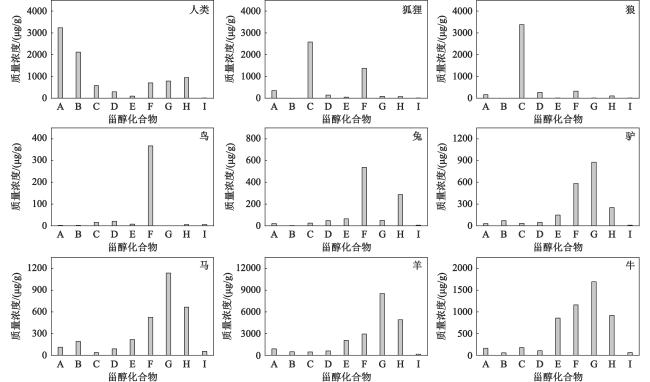
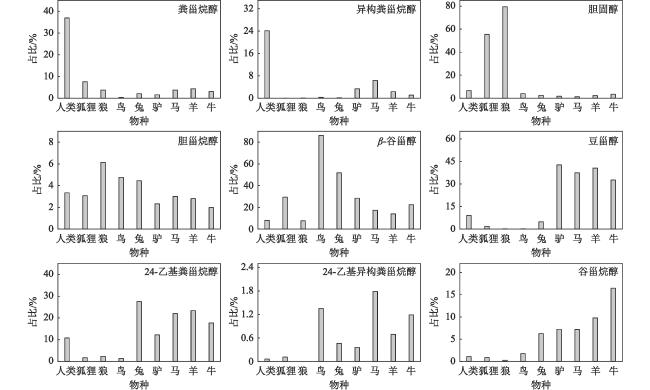
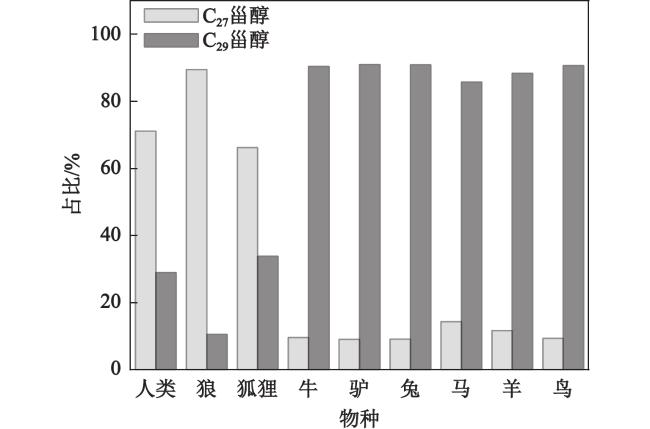
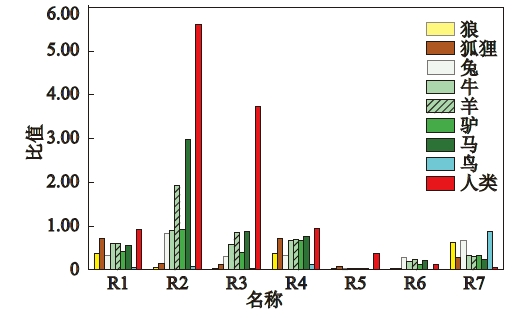
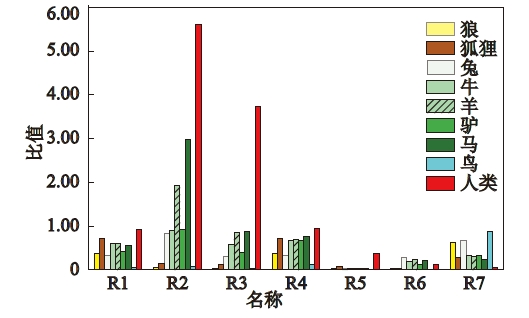
本文以青藏高原阿里地区夏达错流域为研究区,采集湖泊周边人类以及驴、狐狸、兔子、马、狼、鸟、羊、牛9个物种的粪便样品,利用气相色谱−质谱联用仪对粪便样品中的9 种甾醇化合物进行检测,并分析其分布特征及指示意义。结果表明:粪甾烷醇和异构粪甾烷醇是人类粪便中的主要甾醇,约占人类粪便总甾醇质量浓度(粪便中9种甾醇质量浓度之和)的60%,但这2种化合物在其他物种粪便总甾醇质量浓度中占比仅为0.66%~10.04%,且粪甾烷醇和异构粪甾烷醇在人类粪便中的质量浓度之和是其在其他8个物种粪便中质量浓度总和的两倍有余,因而这两种化合物可用作夏达错地区人类活动的代用指标;胆固醇在狐狸和狼等食肉动物粪便总甾醇中的占比均超过了50%,而在其它物种中的占比均小于7%,可用于示踪食肉动物;β-谷甾醇在鸟类粪便总甾醇中占比超过85%,远高于其在其他物种粪便总甾醇中占比,可用于识别植食性鸟类;β-谷甾醇、豆甾醇、24-乙基粪甾烷醇和谷甾烷醇是植食性哺乳动物粪便中的优势甾醇,可用于识别植食性哺乳动物;甾醇化合物的特定比值能够有效地识别出夏达错周边地区的人类粪便样本。该研究为重建青藏高原西部夏达错地区过去人与环境关系研究奠定了科学基础。
李秀美 , 刘苏涛 , 侯居峙 , 袁侃 , 侯孝欢 , 冀克家 . 青藏高原阿里地区不同物种粪便中甾醇分布特征及指示意义[J]. 地理科学, 2024 , 44(7) : 1123 -1132 . DOI: 10.13249/j.cnki.sgs.20220955
This study took the Xiada Co Basin in Nagri Prefecture on Qinghai-Xizang Plateau as the research area, and the fecal samples of human, donkeys, foxes, rabbits, horses, wolves, birds, sheep and cattle around the lake were collected. Subsequently, the 9 sterol compounds in the fecal samples were detected by gas chromatography-mass spectrometry to analyze its distribution characteristics and indicative significance. The results showed that coprostanol and epicoprostanol were the major sterols in human faeces, accounting for more than 60% of the total sterol concentration (the sum of the 9 sterols in faeces) in human faeces, but these 2 compounds only accounted for 0.66%~10.04% of the total sterol concentration in faeces of the other species, and the concentration of (coprostanol + epicoprostanol) in human feces was more than twice as high as as the sum of the concentrations of these 2 compounds in the faeces of the other 8 species. Therefore, coprostanol and epicoprostanol could be used as tracers for human activities in Xiada Co Basin. Cholesterol accounted for more than 50% of the total sterols in the feces of carnivores such as foxes and wolves, but less than 7% in other species, implying that this sterol could be used to trace carnivores. Sitosterol accounted for more than 85% of total sterols in bird feces, much higher than its share of total fecal sterols in other species, suggesting that it could be used to identify plant-feeding birds. Sitosterol, stigmasterol, 24-ethylcoprostanol and sitostanol were the dominant sterols in plant-feeding mammal feces. Thus, these sterols could be used to identify plant-feeding mammals. In addition, the fecal sterol compound ratio was also effective in identifying human feces in the Xiada Co Basin. Furthermore, the relative contents of C27 and C29 sterols could reflect the dietary composition of the animals, and the human fecal sterol data indicated that the people's dietary pattern was meat predominantly. Changes in the population size of humans and other animals will lead to changes in the amount of fecal sterols in lake sediments, which are transported to the lake and deposited. Therefore, by analyzing the steroidal biomarkers in lake sediment cores, we can obtain records of past changes in human population size and dietary habits. Combined with climate and environmental indicators in the same core, we can further explore the relationship between past human activities and climate change. This study has constructed a scientific basis for reconstructing the relationship between past human activity and paleoenvironment in the Xiada Co Basin on the western Qinghai-Xizang Plateau.
Key words: animal feces; sterols; human activity; Xiada Co; the Qinghai-Xizang Plateau
表1 夏达错流域采集的样品信息Table 1 Sample information collected from Xiada Co Basin |
| 样品编号 | 名称 | 经度 | 纬度 | 海拔/m |
| XD-1 | 驴粪 | 80°24′58″E | 33°08′27″N | 4310.0 |
| XD-2 | 狐狸粪便 | 79°20′33″E | 33°23′48″N | 4329.0 |
| XD-3 | 兔粪 | 79°20′33″E | 33°23′48″N | |
| XD-4 | 马粪 | 79°53′04″E | 33°19′29″N | 4317.4 |
| XD-5 | 狼粪 | 79°56′04″E | 33°21′19″N | 4983.0 |
| XD-6 | 鸟粪 | 79°57′31″E | 33°33′28″N | 4246.0 |
| XD-7 | 羊粪 | 79°54′20″E | 33°21′34″N | 4788.8 |
| XD-8 | 人类粪便 | 79°54′20″E | 33°21′34″N | 4788.8 |
| XD-9 | 牛粪 | 79°23′54″E | 33°23′49″N | 4335.0 |
表2 检测样品中甾醇化合物的基本信息Table 2 Sterol compounds detected in samples |
图3 夏达错流域不同物种粪便中各甾醇化合物质量浓度A.粪甾烷醇;B.异构粪甾烷醇;C.胆固醇;D.胆甾烷醇;E.谷甾烷醇;F.β-谷甾醇;G.豆甾醇; H.24-乙基粪甾烷醇;I.24-乙基异构粪甾烷醇 Fig. 3 Concentration of various sterol compounds in different species feces of Xiada Co Basin |
表3 文献中的部分甾醇比值判别阈值Table 3 Partial sterol ratios threshold from literature |
| 名称 | 甾醇比值 | 识别值 | 来源判别 |
| R1 | 粪甾烷醇/(粪甾烷醇+胆甾烷醇) | R1>0.70 | 人类 |
| R2 | 粪甾烷醇/胆固醇 | R2>1.00 | 人类 |
| R3 | 粪甾烷醇/(胆固醇+胆甾烷醇) | R3>0.06 | 人类 |
| R4 | (粪甾烷醇+异构粪甾烷醇)/(粪甾烷醇+异构粪甾烷醇+胆甾烷醇) | R4>0.70 | 人类 |
| R5 | 粪甾烷醇/总甾醇 | R5∈[0.05,0.06] | 人类 |
| R6 | 24-乙基粪甾烷醇/总甾醇 | R6∈[0.05,0.06] | 食草动物 |
| R7 | 胆甾烷醇/(胆甾烷醇+粪甾烷醇+异构粪甾烷醇) | R7≥0.50 | 鸟类 |
| [1] |
冀琴, 董军, 刘睿, 等. 1990—2015年喜马拉雅山冰川变化的遥感监测及动因分析[J]. 地理科学, 2020, 40(3): 486-496.
Ji Qin, Dong Jun, Liu Rui et al. Glacier changes in response to climate change in the Himalayas in 1990—2015. Scientia Geographica Sinica, 2020, 40(3): 486-496.
|
| [2] |
陈发虎, 刘峰文, 张东菊, 等. 史前时代人类向青藏高原扩散的过程与动力[J]. 自然杂志, 2016, 38(4): 235-240.
Chen Fahu, Liu Fengwen, Zhang Dongju et al. The process and driving force for peopling the Tibetan Plateau during prehistoric periods. Chinese Journal of Nature, 2016, 38(4): 235-240.
|
| [3] |
Zhang X L, Ha B B, Wang S J et al. The earliest human occupation of the high-altitude Tibetan Plateau 40 thousand to 30 thousand years ago[J]. Science, 2018, 362(6418): 1049-1051.
|
| [4] |
Li X, Liu S, Ji K et al. Late Holocene human population change revealed by fecal stanol records and its response to environmental evolution at Xiada Co on the western Tibetan Plateau[J]. Palaeogeography, Palaeoclimatology, Palaeoecology, 2024, 636: 111993.
|
| [5] |
郝成元, 王宁德, 陈志超. 中国气候演变史实研究进展及其对社会发展的基本影响[J]. 信阳师范学院学报(自然科学版), 2023, 36(1): 52-58.
Hao Chengyuan, Wang Ningde, Chen Zhichao. Research progress on historical facts of climate evolution in China and its basic impact on social development. Journal of Xinyang Normal University (Natural Science Edition), 2023, 36(1): 52-58.
|
| [6] |
Li X, Zhang Y, Hou J et al. Spatio-temporal patterns of centennial-scale climate change over the Tibetan Plateau during the past two millennia and their possible mechanisms[J]. Quaternary Science Reviews, 2022, 292: 107664.
|
| [7] |
李秀美, 严涵, 范宝伟, 等. 湖泊沉积物记录的过去两千年青藏高原南部干湿变化及其驱动机制[J]. 信阳师范学院学报(自然科学版), 2021, 34(4): 584-588.
Li Xiumei, Yan Han, Fan Baowei et al. Climatic changes during the last two millennia on the souther Tibetan Plateau based on lake sediment and its forcing mechanisms. Journal of Xinyang Normal University (Natural Science Edition), 2021, 34(4): 584-588.
|
| [8] |
Leeming R, Ball A, Ashbolt Net al. Using fecal sterols from humans and animals to distinguish fecal pollution in receiving waters[J]. Water Research, 1996, 30: 2893-2900.
|
| [9] |
Bull I D, Lockheart M J, Elhmmali M M et al. The origin of faeces by means of biomarker detection[J]. Environment International, 2002, 27(8): 647-654.
|
| [10] |
D'anjou R M, Bradley R S, Balascio N L et al. Climate impacts on human settlement and agricultural activities in Northern Norway revealed through sediment biogeochemistry[J]. Proceedings of the National Academy of Sciences, 2012, 109(50): 20332-20337.
|
| [11] |
Sistiaga A, Wrangham R, Rothman J M et al. New insights into the evolution of the human diet from faecal biomarker analysis in wild Chimpanzee and Gorilla faeces[J]. PLoS One, 2015, 10(6): e0128931.
|
| [12] |
Li X M, Wang M D, Hou J Z. Centennial-scale climate variability during the past 2000 years derived from lacustrine sediment on the western Tibetan Plateau[J]. Quaternary International, 2019, 510: 65-75.
|
| [13] |
Li X, Liu S, Hou J et al. Late Holocene brGDGTs-based quantitative paleotemperature reconstruction from lacustrine sediments on the western Tibetan Plateau[J]. Frontiers of Earth Science, 2023, 17(4): 997-1011.
|
| [14] |
吕红亮. 西藏旧石器时代的再认识——以阿里日土县夏达错东北岸地点为中心[J]. 考古, 2011, 3(3): 59-68.
Lyu Hongliang. Re-understanding of the Paleolithic Age in Tibet: Centered on the locus on the northeast bank of Xiada Co Lake in Rutog County, Ngari Prefecture. Archaeology, 2011, 3(3): 59-68.
|
| [15] |
《西藏统计年鉴》总编委. 西藏统计年鉴[M]. 1997—2021.北京: 中国统计出版社, 1997—2021.
General Editorial Board of Tibet Statistical Yearbook. Tibet statistical yearbook. 1997—2021. Beijing: China Statistics Press, 1997—2021.
|
| [16] |
姚晓瑞. 新疆北部典型湖泊沉积物中甾醇分布状况及其环境行为研究[D]. 石河子: 石河子大学, 2013.
Yao Xiaorui. Distribution of sterols and environmental behavior in sediments of typical areas in northern Xinjiang. Shihezi: Shihezi University, 2013.
|
| [17] |
廖昱, 孙玉川, 王尊波, 等. 甾醇对南山老龙洞地下河粪便污染的指示[J]. 环境科学, 2016, 37(8): 3034-3040.
Liao Yu, Sun Yuchuan, Wang Zunbo et al. Fecal contamination in Laolongdong underground river as measured by the sterol biomarkers. Environmental Science, 2016, 37(8): 3034-3040.
|
| [18] |
徐恒振, 刘星, 姚子伟. 粪固醇作为海洋环境中粪便污染指示物的研究[J]. 海洋环境科学, 2010, 29(6): 777-780.
Xu Hengzhen, Liu Xing, Yao Ziwei. Faecal sterols as an indicator of pollution feces in marine environment. Marine Environmental Science, 2010, 29(6): 777-780.
|
| [19] |
徐恒振, 马新东, 王洪艳, 等. 粪便源指纹及其鉴别研究[J]. 海洋环境科学, 2013, 32(1): 141-146.
Xu Hengzhen, Ma Xindong, Wang Hongyan et al. Study on fingerprint and identification of origin of feces. Marine Environmental Science, 2013, 32(1): 141-146.
|
| [20] |
李文成. 非洲早期人类的食谱研究: 方法、现状与展望[J]. 西部考古, 2018, (2): 293-303.
Li Wencheng. The researches of the diet of early hominins in Africa: Methodology, processes and prospection. Western Archaeology, 2018, (2): 293-303.
|
| [21] |
Dinh T, Thompson L. Cholesterol: Properties, processing effects, and determination [M]// Caballero B et al. Encyclopedia of Food and Health. Oxford: Academic Press, 2016.
|
| [22] |
Sonawane P D, Pollier J, Panda S et al. Plant cholesterol biosynthetic pathway overlaps with phytosterol metabolism[J]. Nature Plants, 2016, 3: 16205-16218.
|
| [23] |
Prost K, Birk J J, Lehndorff E et al. Steroid biomarkers revisited-improved source identification of faecal remains in archaeological soil material[J]. PLoS One, 2017, 12(1): e0164882.
|
| [24] |
Kemp A C, Vane C H, Kim A W et al. Fecal steroids as a potential tool for conservation paleobiology in East Africa[J]. Biodiversity and Conservation, 2022, 31(1): 183-209.
|
| [25] |
Leeming R, Latham V, Rayner M et al. Detecting and distinguishing sources of sewage pollution in Australian inland and coastal waters and sediments[J]. Molecular Markers in Environmental Geochemistry, 1997, 671(671): 306-319.
|
| [26] |
Gill F L, Dewhurst R J, Dungait J A J et al. Archaeol—A biomarker for foregut fermentation in modern and ancient herbivorous mammals?[J]. Organic Geochemistry, 2010, 41(5): 467-472.
|
| [27] |
Grimalt J, Fernandez P, Bayona J et al. Assessment of fecal sterols and ketones as indicators of urban sewage inputs to coastal waters[J]. Environmental Science & Technology, 1990, 24(3): 357-363.
|
| [28] |
Quemeneur M, Marty Y. Fatty acids and sterols in domestic wastewaters[J]. Water Research, 1994, 28(5): 1217-1226.
|
| [29] |
Fattore E, Benfenati E, Marelli R et al. Sterols in sediment samples from Venice Lagoon, Italy[J]. Chemosphere, 1996, 33(12): 2383-2393.
|
| [30] |
Writer J H, Leenheer J A, Barber L B et al. Sewage contamination in the upper Mississippi River as measured by the fecal sterol, coprostanol[J]. Water Research, 1995, 29(6): 1427-1436.
|
| [31] |
Derrien M, Yang L, Hur J. Lipid biomarkers and spectroscopic indices for identifying organic matter sources in aquatic environments: A review[J]. Water Research, 2017, 112: 58-71.
|
| [32] |
Isobe K O, Tarao M, Zakaria M P et al. Quantitative application of fecal sterols using gas chromatography−mass spectrometry to investigate fecal pollution in tropical waters: Western Malaysia and Mekong Delta, Vietnam[J]. Environmental Science & Technology, 2002, 36(21): 4497-4507.
|
| [33] |
Devane M L, Wood D, Chappell A et al. Identifying avian sources of faecal contamination using sterol analysis[J]. Environmental Monitoring and Assessment, 2015, 187(10): 625.
|
| [34] |
White A J, Stevens L R, Lorenzi V et al. An evaluation of fecal stanols as indicators of population change at Cahokia, Illinois[J]. Journal of Archaeological Science, 2018, 93: 129-134.
|
| [35] |
Kaiser J, Lerch M. Sedimentary faecal lipids as indicators of Baltic Sea sewage pollution and population growth since 1860 AD[J]. Environmental Research, 2022, 204: 112305.
|
/
| 〈 |
|
〉 |