



资源依赖、权力与利益博弈:村寨型景区开发企业与社区关系研究——以西双版纳勐景来景区为例
|
保继刚(1964-),男,云南个旧人,教授,博士,研究方向为旅游地理与旅游规划。E-mail: eesbjg@mail.sysu.edu.cn |
收稿日期: 2020-07-19
修回日期: 2020-10-17
网络出版日期: 2022-01-20
基金资助
国家自然科学基金项目(41920104002)
版权
Resource Dependence, Power and Interests Game: Research on The Relationship Between Village Scenic Development Enterprise and Community with Mengjinglai Scenic Spot in Xishuangbanna as an Example
Received date: 2020-07-19
Revised date: 2020-10-17
Online published: 2022-01-20
Supported by
National Natural Science Foundation of China(41920104002)
Copyright
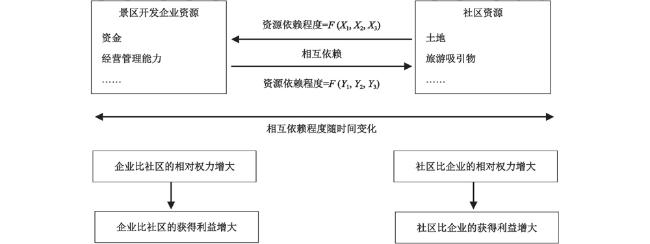
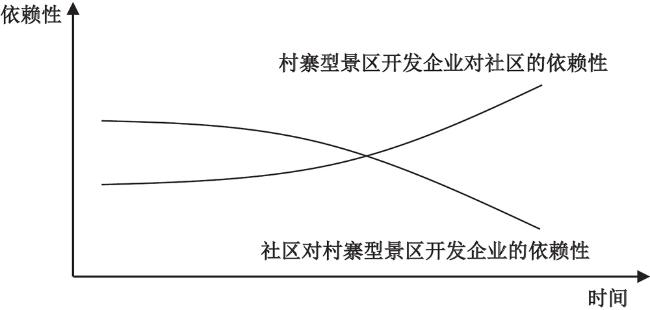
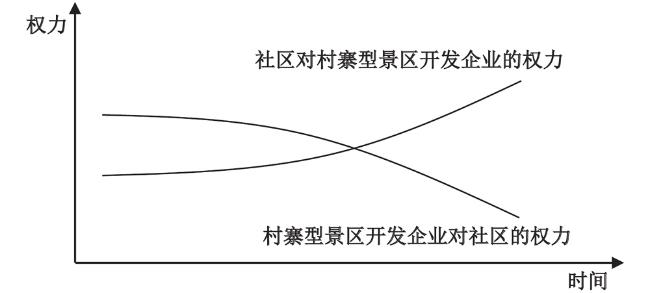
以西双版纳勐景来景区为案例地,通过访谈、观察等方法,在构建村寨型景区开发企业与社区之间资源相互依赖关系分析框架的基础上,探讨村寨型景区开发企业与社区关系动态演变背后的逻辑。研究发现,村寨型景区开发企业与社区关系的动态演变是二者资源相互依赖程度变化作用的结果。在景区发展初期,开发企业对社区的依赖程度小于社区对开发企业的依赖程度,即在两者的利益博弈中,开发企业的权力比社区大,社区得到的利益从零开始不断增大,二者矛盾较少。在景区发展成熟期,开发企业对社区的依赖程度大于社区对开发企业的依赖程度,即在两者的利益博弈中,社区的权力比开发企业大,此时在已有的利益分配机制不变的情况下,会因利益分配导致社区与开发企业冲突。此外,还推论出在政府干预和协调下,村寨型景区开发企业在与社区的利益冲突中会让步于社区这一结论,可为企业投资村寨型景区开发提供现实指导。
关键词: 村寨型景区; 景区开发企业与社区关系; 社区旅游; 资源依赖理论
保继刚 , 陈求隆 . 资源依赖、权力与利益博弈:村寨型景区开发企业与社区关系研究——以西双版纳勐景来景区为例[J]. 地理科学, 2022 , 42(1) : 43 -53 . DOI: 10.13249/j.cnki.sgs.2022.01.004
The conflicts between village scenic development enterprises and communities have always been a common concern in academic research and industry practice. As an effective theory for understanding the relationship between organizations, the resource dependence theory provides a new perspective to analyze the relationship between village scenic development enterprises and communities. This article integrates the 4 dimensions of the relationship among village scenic development enterprises and the communities, interests, power, and the degree of resource dependence into the resource interdependence analysis framework, using the Mengjinglai scenic area in Xishuangbanna as a case study. The primary data are collected through interviews and observation. This article analyzes the dynamic evolution and the logic behind the evolution of the relationship between village scenic development enterprises and the communities. The study demonstrates that the dynamic evolution of the relationship between village scenic development enterprises and communities is the result of the change in the degree of resource interdependence between the two. In the initial stage of scenic area development, the dependence of village scenic development enterprises on the communities is less than that of the communities on the enterprises. In the game of interests between the two, the power of village scenic development enterprises is larger than that of communities, but the benefits obtained by the communities are continuously increased from zero. There is less contradiction between the two. In the mature stage of scenic area development, the dependence of village scenic development enterprises on communities is larger than that of the communities on the enterprises. In the game of interests between the two, the communities have more power than the enterprises. At this point, if the existing benefit distribution mechanism remains unchanged, it will have conflicts in interest distribution. This paper also inferred that with interventions and coordination from the government, the village scenic development enterprises will give way to communities when there is conflict of interests. This study provides a practical guiding significance for the scenic development enterprises which invest a village scenic area.
| [1] |
保继刚, 左冰. 为旅游吸引物权立法[J]. 旅游学刊, 2012, 27(7): 11-18.
Bao Jigang, Zuo Bing. Legislating for tourist attractions rights. Tourism Tribune, 2012, 27(7): 11-18.
|
| [2] |
王维艳. 乡村社区参与景区利益分配的法理逻辑及实现路径——基于现行法律制度框架视角[J]. 旅游学刊, 2015, 30(8): 44-52.
Wang Weiyan. The legal theoretical logic and way to tourist attraction profit allocation for rural communities: The perspective of current legal system. Tourism Tribune, 2015, 30(8): 44-52.
|
| [3] |
王兆峰, 腾飞. 西部民族地区旅游利益相关者冲突及协调机制研究[J]. 江西社会科学, 2012(1): 196-201.
Wang Zhaofeng, Teng Fei. Research on the conflicts and coordination of tourism stakeholders in western minority areas. Jiangxi Social Sciences, 2012(1): 196-201.
|
| [4] |
张海燕. 旅游企业与社区居民利益冲突及协调博弈研究[J]. 财经理论与实践, 2013, 34(1): 121-124.
Zhang Haiyan. The conflicts and coordination of interest and tourism enterprises and community residents. The Theory and Practice of Finance and Economics, 2013, 34(1): 121-124.
|
| [5] |
左冰. 分配正义: 旅游发展中的利益博弈与均衡[J]. 旅游学刊, 2016, 31(1): 12-21.
Zuo Bing. Distributive justice: Interest games and equilibrium in tourism development. Tourism Tribune, 2016, 31(1): 12-21.
|
| [6] |
左冰. 共容利益: 社区参与旅游发展之利益协调[J]. 旅游科学, 2013(1): 1-14.
Zuo Bing. Encompassing interest: Coordinating interest distribution in rural tourism development. Tourism Science, 2013(1): 1-14.
|
| [7] |
桂林市旅游局. 桂林市旅游发展总体规划(2001-2020)[M]. 北京: 中国旅游出版社, 2002: 128-132.
Guilin Tourism Bureau. Guilin City Tourism Development Plan(2001-2020). Beijing: China Travel &Tourism Press, 2002: 128-132.
|
| [8] |
李进兵. 利益相关者的利益分配与旅游可持续发展[J]. 经济问题, 2010(8): 123-126.
Li Jinbing. Benefits division of stakeholders and the sustainable development in tourism. On Economic Problems, 2010(8): 123-126.
|
| [9] |
Knight J. Competing hospitalities in Japanese rural tourism[J]. Annals of Tourism Research, 1996, 23(1): 165-180.
|
| [10] |
Fleischer A, Felsenstein D. Support for rural tourism[J]. Annals of Tourism Research, 2000, 27(4): 1007-1024.
|
| [11] |
Jackiewicz E L. Tourism without threat? Excerpts from rural Costa Rica[J]. Annals of Tourism Research, 2005, 32(1): 266-268.
|
| [12] |
左冰, 保继刚. 制度增权: 社区参与旅游发展之土地权利变革[J]. 旅游学刊, 2012, 27(2): 23-32.
Zuo Bing, Bao Jigang. Institutional empowerment: Community participation and changes of land property rights in tourism development. Tourism Tribune, 2012, 27(2): 23-32.
|
| [13] |
高元衡. 阳朔乡村旅游发展中各方利益分配问题研究[J]. 旅游论坛, 2004, 15(6): 58-62.
Gao Yuanheng. Research on conflict of interest in Yangshuo rural tourism. Tourism Forum, 2004, 15(6): 58-62.
|
| [14] |
高军波. 我国乡村旅游发展中农户利益分配问题与对策研究[J]. 旅游论坛, 2006, 17(5): 577-580.
Gao Junbo. On the household’s interests distribution in the procession of rural tourism development. Tourism Forum, 2006, 17(5): 577-580.
|
| [15] |
Lee T J, Riley M, Hampton M P. Conflict and progress: tourism development in Korea[J]. Annals of Tourism Research, 2010, 37(2): 355-376.
|
| [16] |
孙九霞, 吴丽蓉. 龙脊梯田社区旅游发展中的利益关系研究[J]. 旅游论坛, 2013, 6(6): 28-34.
Sun Jiuxia, Wu Lirong. Research on interest’s relationship of community tourism development in Longji Terrace. Tourism Forum, 2013, 6(6): 28-34.
|
| [17] |
Murphy P E. Tourism: A community approach[M]. New York: Methuen, 1985: 153-176.
|
| [18] |
左冰, 保继刚. 从“社区参与”走向“社区增权”——西方“旅游增权”理论研究述评[J]. 旅游学刊, 2008, 23(4): 58-63.
Zuo Bing, Bao Jigang. From community participation to community empowerment: Review on theoretical study of “Tourism Empowerment” in Western Countries. Tourism Tribune, 2008, 23(4): 58-63.
|
| [19] |
Tosun C. Limits to community participation in the tourism development process in Developing Countries[J]. Tourism Management, 2000, 21(6): 613-633.
|
| [20] |
孙九霞, 黄秀波. 民族旅游地社区参与中的空间协商与利益博弈——以丽江白沙村为例[J]. 广西民族大学学报(哲学社会科学版), 2017, 39(2): 40-48.
Sun Jiuxia, Huang Xiubo. Competing interests and spatial negotiation in ethnic tourism community: A case study of Baisha village in Lijiang City. Journal of Guangxi University for Nationalities(Philosophy and Social Science Edition), 2017, 39(2): 40-48.
|
| [21] |
Dahl R A. The concept of power[J]. Behavioral Science, 1957, 2(3): 201-215.
|
| [22] |
Cole S. Information and empowerment: The keys to achieving sustainable tourism[J]. Journal of Sustainable Tourism, 2006, 14(6): 629-644.
|
| [23] |
Scheyvens R. Ecotourism and the empowerment of local communities[J]. Tourism Management, 1999, 20(2): 245-249.
|
| [24] |
保继刚, 孙九霞. 雨崩村社区旅游: 社区参与方式及其增权意义[J]. 旅游论坛, 2008, 1(4): 58-65.
Bao Jigang, Sun Jiuxia. Community participation in tourism of Yubeng Village: Means of participation and its significance for empowerment. Tourism Forum, 2008, 1(4): 58-65.
|
| [25] |
翁时秀, 彭华. 旅游发展初级阶段弱权利意识型古村落社区增权研究——以浙江省楠溪江芙蓉村为例[J]. 旅游学刊, 2011, 26(7): 53-59.
Weng Shixiu, Peng Hua. On the study of empowerment in weak-right awareness-type ancient village community under the initial stage of tourism development: A case of Furong Village at Nanxi River Basin, Zhejiang Province. Tourism Tribune, 2011, 26(7): 53-59.
|
| [26] |
Strzelecka M, Wicks B E. Community participation and empowerment in rural post-communist societies: Lessons from the leader approach in Pomerania, Poland[J]. Tourism Planning& Development, 2015, 12(4): 381-397.
|
| [27] |
左冰, 保继刚. 旅游吸引物权再考察[J]. 旅游学刊, 2016, 31(7): 13-23.
Zuo Bing, Bao Jigang. Revisiting tourist attractions rights. Tourism Tribune, 2016, 31(7): 13-23.
|
| [28] |
文红, 唐德彪. 产权制度的构建与民族文化旅游资源开发[J]. 云南社会科学, 2007(5): 50-52.
Wen Hong, Tang Debiao. The construction of property rights and the development of ethnic cultural tourism resources. Social Sciences in Yunnan, 2007(5): 50-52.
|
| [29] |
马鑫. 民族文化旅游资源的产权界定及利益分配问题研究[J]. 云南民族大学学报(哲学社会科学版), 2011(4): 35-39.
Ma Xin. The determination of the ownership of the ethnic cultural and tourism resources and their interest distribution. Journal of Yunnan Nationalities University: Social Sciences, 2011(4): 35-39.
|
| [30] |
唐兵. 原生态民族文化旅游资源产权界定及利益分配方式研究——以重庆酉阳石泉苗寨旅游区为例[J]. 生态经济, 2014(1): 273-276.
Tang Bing. Study on the definition of property rights of original ecological ethnic cultural tourism resources and the ways of benefit allocation: A case study of the Miao Village Tourism Area in Youyang, Chongqing. Ecological Economy, 2014(1): 273-276.
|
| [31] |
唐兵, 惠红. 民族地区原住民参与旅游开发的法律赋权研究——兼与左冰、保继刚商榷[J]. 旅游学刊, 2014, 29(7): 39-46.
Tang Bing, Hui Hong. A study on legal empowerment of indigenous Peoples participation in tourism development in ethnic areas: A discussion with Zuo Bing, Bao Jigang. Tourism Tribune, 2014, 29(7): 39-46.
|
| [32] |
马鑫. 传统文化旅游资源产权界定的困境研究[J]. 云南民族大学学报(哲学社会科学版), 2014, 31(6): 109-115.
Ma Xin. Difficulties in determining the ownership of the traditional cultural and tourism resources. Journal of Yunnan Nationalities University: Social Sciences, 2014, 31(6): 109-115.
|
| [33] |
马迎贤. 组织间关系: 资源依赖视角的研究综述[J]. 管理评论, 2005, 17(2): 55-62.
Ma Yingxian. Inter-organizational relations: A survey of resource dependence perspective. Management Review, 2005, 17(2): 55-62.
|
| [34] |
杰弗里·莫佛, 杰勒尔德·R·萨兰基克. 组织的外部控制——对组织资源依赖的分析[M]. 闫蕊译. 北京: 东方出版社, 2006.
Pfeffer J, Salancik G R. The external control of organizations: Aresource dependence perspective. Translated by Yan Rui. Beijing: The Oriental Press, 2006
|
| [35] |
保继刚, 左冰. 旅游招商引资中的制度性机会主义行为解析——西部A地旅游招商引资个案研究[J]. 人文地理, 2008, 23(3): 1-6.
Bao Jigang, Zuo Bing. Institutional opportunistic behavior in tourism investment promotion: A case from Western China. Human Geography, 2008, 23(3): 1-6.
|
| [36] |
左冰. 旅游增权理论本土化研究——云南迪庆案例[J]. 旅游科学, 2009, 23(2): 1-8.
Zuo Bing. Localization of empowerment theory in China’s tourism development: A case study of Diqing in Yunnan Province. Tourism Science, 2009, 23(2): 1-8.
|
| [37] |
董观志. 现代景区经营管理[M]. 大连: 东北财经大学出版社, 2008: 14.
Dong Guanzhi. Modern tourist atttaction management. Dalian: Dongbei University of Finance & Economic Press, 2008: 14.
|
| [38] |
陈玉英. 景区经营与管理[M]. 北京: 北京大学出版社, 2014: 20-21.
Chen Yuying. Tourist attraction operation and management. Beijing: Peking University Press, 2014: 20-21.
|
| [39] |
郭亚军, 曹卓. 旅游景区运营管理[M]. 北京: 清华大学出版社, 2017: 15.
Guo Yajun, Cao Zhuo. Operation and management of visitor attractions. Beijing: Tsinghua University Press, 2017: 15.
|
| [40] |
保继刚, 陈苑仪, 马凌. 旅游资源及其评价过程与机制: 技术性评价到社会建构视角[J]. 自然资源学报, 2020, 35(7): 1556-1569.
Bao Jigang, Chen Yuanyi, Ma Ling. The process and mechanism of tourism resources evaluation: From technical evaluation to the social construction perspective. Journal of Natural Resources, 2020, 35(7): 1556-1569.
|
| [41] |
张华明, 滕健. 民族村寨旅游开发的CCTV模式——以西双版纳“中缅第一寨”勐景来为例[J]. 广西民族研究, 2006, 26(3): 97-103.
Zhang Huaming, Teng Jian. CCTV: A mode of the development of ethnic village——Taking Mengjinglai Village of Xishuangbanna an example. Guangxi Ethnics Studies, 2006, 26(3): 97-103.
|
| [42] |
马克思, 恩格斯. 马克思恩格斯全集(第2卷)[M]. 中央编译局编译. 北京: 人民出版社, 2003: 109.
Marx K, Engels F. Works by Karl Marx and Frederick Engels (Vol.Ⅱ). Translated by Center Compilation and Translation Bureau. Beijing: People’s Publishing House, 2003: 109.
|
| [43] |
孙九霞. 赋权理论与旅游发展中的社区能力建设[J]. 旅游学刊, 2008, 23(9): 22-27.
Sun Jiuxia. Empowerment theory and the construction of community capability in the development of tourism. Tourism Tribune, 2008, 23(9): 22-27.
|
| [44] |
大卫·哈维. 新帝国主义[M]. 初立忠, 沈晓雷译. 北京: 社会科学文献出版社, 2009: 94.
Harvey D. The new imperialism. Translated by Chu Lizhong, Shen Xiaolei. Beijing: Social Sciences Academic Press, 2009: 94.
|
/
| 〈 |
|
〉 |